What Is Methylation?
Imagine a switchboard inside every cell of your body, quietly adjusting hundreds of processes up and down: how you make energy, how you clear toxins, how you produce the chemicals that steady your mood, how you repair damaged DNA. When that switchboard is well supplied, you feel clear, calm, and durable. When it runs short, things start slipping in ways no standard lab panel explains.
That switchboard is methylation. It is one of the most consequential processes in human biology and one of the least discussed in a typical fifteen minute appointment.
At Revelation Health and Well-Being in Lee's Summit, MO, we serve as a methylation doctor practice for adults throughout the Kansas City metro. Below we cover what methylation is, the methylation cycle explained step by step, what MTHFR and related variants genuinely mean, and when functional genetics testing is worth your money.
Key Takeaways
- Methylation regulates gene expression, detoxification, mood chemistry, and DNA repair.
- The cycle depends on folate, B12, B6, choline, and several enzymes working in sequence.
- MTHFR variants are common and describe a tendency, never a diagnosis.
- Other genes, including COMT and MTR, shape the picture alongside MTHFR.
- Genes plus functional labs together tell the real story, which is why we test both.
What Is Methylation?
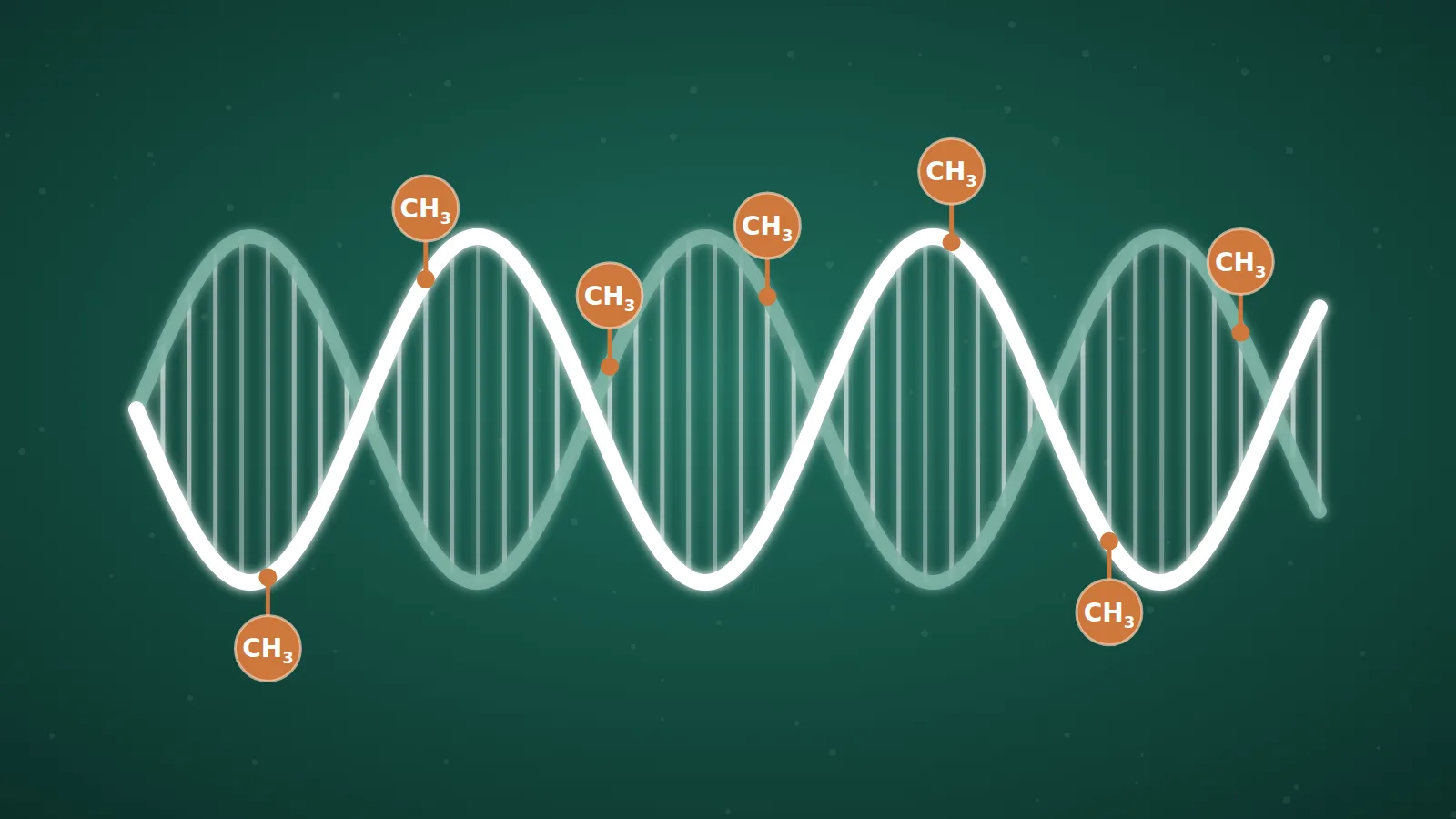
Methylation is the transfer of a methyl group, a single carbon atom bonded to three hydrogens, from one molecule to another. That transfer sounds trivial. Its effects are anything but.
Adding or removing methyl groups is how your body turns genes on and off without altering the genetic code itself, a field known as epigenetics. The National Human Genome Research Institute overview of epigenetics describes how these chemical marks influence gene activity across a lifetime. Methylation also builds neurotransmitters, powers a major phase of liver detoxification, processes histamine, recycles hormones including estrogen, and maintains the myelin that insulates your nerves.
Because the same pathway supports so many unrelated jobs, a strained methylation cycle rarely produces one tidy symptom. It produces a scattered collection of them, which is exactly why patients arriving at our Lee's Summit office have often been told nothing is wrong.
The Methylation Cycle Explained
The cycle is a loop with four recognizable stages. Each depends on the one before it.
Stage One: Activating Folate
Folate from food or supplements must be converted into 5-MTHF, its usable form. The MTHFR enzyme runs this conversion. A slow first stage constrains everything downstream.
Stage Two: Recycling Homocysteine
Active folate teams with vitamin B12 to convert homocysteine into methionine. When this step lags, homocysteine accumulates, a pattern associated with cardiovascular and cognitive concerns.
Stage Three: Producing SAMe
Methionine becomes S-adenosylmethionine, or SAMe, the body's universal methyl donor. SAMe supplies the methyl groups for hundreds of downstream reactions.
Stage Four: Donating and Returning
SAMe hands off its methyl group wherever it is needed, then converts back toward homocysteine and the loop restarts. Efficiency here depends on nutrient availability and enzyme performance.
MTHFR: What the Gene Does and What It Does Not Mean
MTHFR is the gene that made methylation a household word online, and it is also the most distorted topic in this space. Two points matter most.
The Common Variants
Two variants appear most often, C677T and A1298C. Each can reduce the efficiency of the enzyme that activates folate. According to the National Library of Medicine entry on the MTHFR gene, these variants are widespread in the general population and influence folate processing.
Why a Variant Is Not a Verdict
Carrying a variant does not make you ill and does not predict any specific disease. Plenty of people with reduced enzyme efficiency feel excellent, because diet, stress load, and toxic exposure influence the outcome as much as the gene does. A variant tells us where your system may need reinforcement, particularly during demanding seasons of life. That is why a methylation doctor at our Lee's Summit clinic reads genetics next to symptoms and labs rather than treating a gene report as a diagnosis.
Beyond MTHFR: The Rest of the Story
Focusing on MTHFR alone misses most of the picture. Several other genes shape how your methylation cycle behaves.
COMT
COMT helps clear dopamine, norepinephrine, and estrogen. Slower variants can mean sharper focus alongside greater sensitivity to stress and to aggressive methyl supplementation.
MTR and MTRR
These genes govern how efficiently B12 supports the homocysteine to methionine conversion. Variants here can raise B12 requirements considerably.
CBS
CBS directs homocysteine down an alternate route toward sulfur compounds and glutathione, your body's central antioxidant. Variants can shift how the whole pathway balances.
Reading these genes together, rather than fixating on one, is what separates useful functional genetics from internet speculation.
Signs Your Methylation May Need Support
Because the pathway touches so many systems, strain shows up in clusters. These are the patterns we watch for across Lee's Summit and the wider Kansas City area.
Mood and Cognition
Anxiety, low mood, irritability, brain fog, and trouble holding focus, particularly when these appeared without an obvious trigger.
Energy and Recovery
Fatigue that rest does not fix, sluggish recovery after exercise, and low tolerance for physical demand.
Sensitivity and Detoxification
Reacting strongly to fragrances, cleaning products, alcohol, or medications, or feeling unusually affected by everyday environmental exposures.
Hormonal and Histamine Patterns
Estrogen dominance symptoms, histamine intolerance, seasonal reactivity, and stubborn low grade inflammation.
How a Methylation Doctor Tests and Interprets
Testing is only valuable when the result changes the plan. Here is how we approach it.
Functional Genetics Panel
We look at MTHFR, COMT, MTR, MTRR, CBS, and related variants to map your inherited tendencies. This information never changes, so it is tested once and used for life.
Functional Lab Markers
Genes describe potential. Labs describe reality. We measure homocysteine, serum and red blood cell folate, B12, and related markers to see how the pathway is performing right now. Our overview of the functional medicine tests we run shows how genetic panels fit alongside hormone, gut, and metabolic testing.
Why Both Together
A variant with normal functional markers usually needs nothing more than sound nutrition. A variant with elevated homocysteine and low B12 needs active intervention. Testing one without the other leads to either needless worry or missed problems.
Supporting Healthy Methylation Day to Day
You cannot rewrite your genes. You can strongly influence how they express.
Food First
Leafy greens, lentils, asparagus, eggs, liver, and quality protein supply folate, B12, B6, choline, and methionine. Whole food sources come before any capsule.
Careful Supplementation
When labs justify it, we use active forms such as methylfolate and methylcobalamin, dosed conservatively and adjusted over time. Overmethylation is real and can cause anxiety, irritability, and insomnia, so more is not better.
Lowering the Demand
Alcohol, smoking, chronic stress, and heavy chemical exposure all consume methyl groups. Reducing that drain frees capacity for everything else the pathway must do.
Connecting the Whole System
Methylation intersects with blood sugar and inflammation, so our metabolic health program often runs alongside methylation support. You can read more about Dr. Mark and Tandi and how genetics fits into whole person care at our Lee's Summit practice.
Find Out What Your Genetics Are Telling You
If fatigue, mood changes, or chemical sensitivity have gone unexplained for years, methylation may be a meaningful part of your answer. Our Lee's Summit team helps adults across Kansas City pair functional genetics with real lab data to build plans that fit their actual biology.
Book your functional genetics consult today and stop guessing about what your body needs.
Frequently Asked Questions
What is methylation in simple terms?
Methylation is a chemical process that adds a small methyl group to molecules throughout your body. It works like a dimmer switch on gene expression, detoxification, neurotransmitter production, and DNA repair, adjusting each process up or down as needed.
Does an MTHFR variant mean something is wrong with me?
No. MTHFR variants are common and many people who carry them are completely healthy. A variant describes a tendency, not a diagnosis. It simply means your body may benefit from more nutritional support in this pathway, especially under stress or poor diet.
What is the difference between genetic testing and methylation lab testing?
Genetic testing shows your inherited tendencies, which never change. Functional lab markers such as homocysteine, folate, and B12 show what your body is actually doing right now. A methylation doctor uses both together, because genes alone cannot tell you how the pathway is currently running.
Can I improve my methylation without supplements?
Often yes. Food sources of folate, B12, B6, and choline come first, alongside reducing alcohol, managing stress, and lowering toxic burden. Supplements are added only when testing shows a genuine need, because too much methyl support can cause symptoms of its own.
How do I book a functional genetics consult in Lee's Summit?
Book a discovery appointment with our team. There is no cost and no obligation. We will review your symptoms and history, then decide together whether functional genetics and methylation testing would meaningfully change your care.
Visit Our Lee's Summit Office
Revelation Health and Well-Being is located at Unity Village in Lee's Summit, MO, serving adults throughout the Kansas City metro area.
📍 Revelation Health and Well-Being · Dr. Mark Hechler & Tandi Hechler · 300 Unity Cir N Suite 700 · Lee's Summit, MO 64086 · (816) 542-6238 · health@revelationhealthkc.com · Functional medicine, functional genetics, bioidentical hormone replacement therapy, and metabolic health serving Lee's Summit, Kansas City, and surrounding Missouri and Kansas communities.